A Clear Overview of Its Properties and Applications
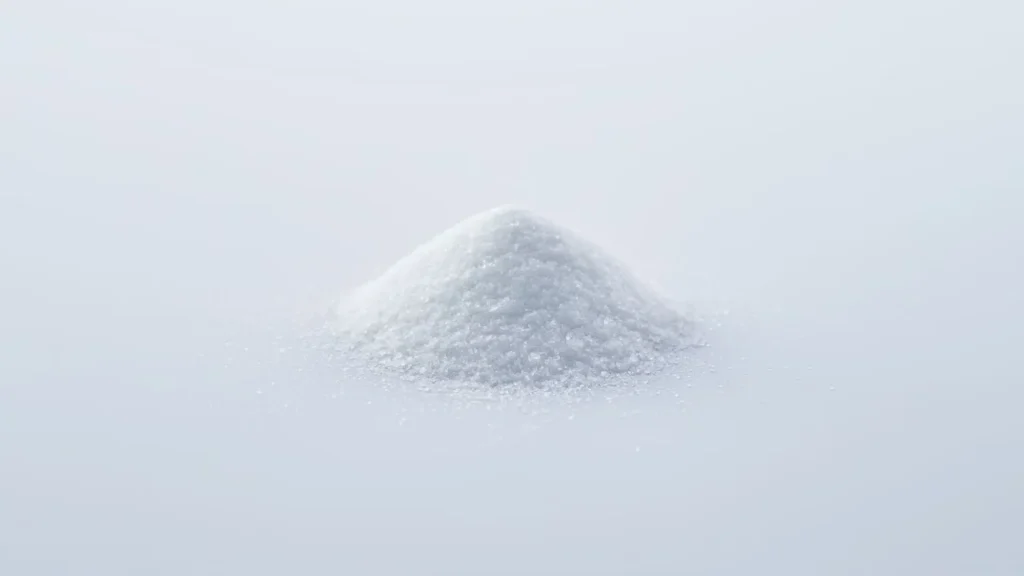
Polyvinyl alcohol (PVOH, PVA, poval) is a unique resin distinguished by its ability to dissolve in water, despite being a synthetic polymer. When dissolved in water, it forms a viscous aqueous solution, and once dried, it creates a solid film. These characteristics enable its use in a wide range of fields—from adhesives and binders to advanced functional materials.
What Is Polyvinyl Alcohol (PVOH)? – Basic Positioning and Common Abbreviations
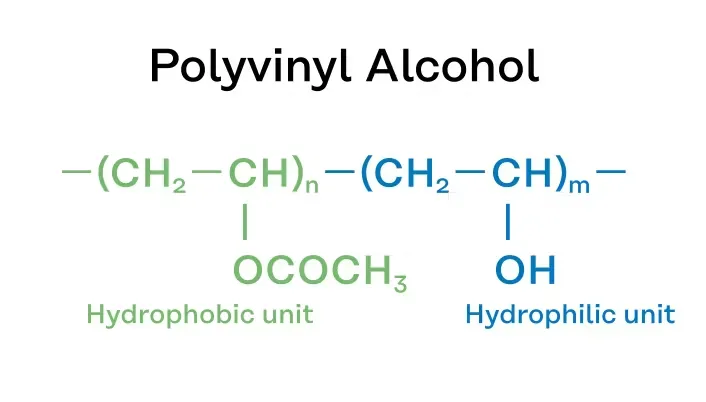
Polyvinyl alcohol is a type of synthetic polymer (synthetic resin) with the following molecular structure. Its hydroxyl groups (–OH) give it strong hydrophilicity, which is the source of its water solubility—a property that sets it apart from most other synthetic resins.
Because the formal ISO name “polyvinyl alcohol” is long, the abbreviations “PVOH”, “PVA”, and “poval” are commonly used in business and academic settings.
The preferred abbreviation varies by region: • In Europe and North America, “PVOH” is the most widely recognized term. • In Asia, both “PVA” and “PVOH” are seen. • In Japan, “PVA” and “poval” are commonly used.
In this article, we will use the internationally recognized term “PVOH” for our explanations.


您好,这是一条评论。若需要审核、编辑或删除评论,请访问仪表盘的评论界面。评论者头像来自 Gravatar。