Below we summarize key applications together with reasons for adoption and evaluation criteria.
Binder Applications (for adhesion, film formation, and molding strength) — “Bonding / Solidifying”
Paper
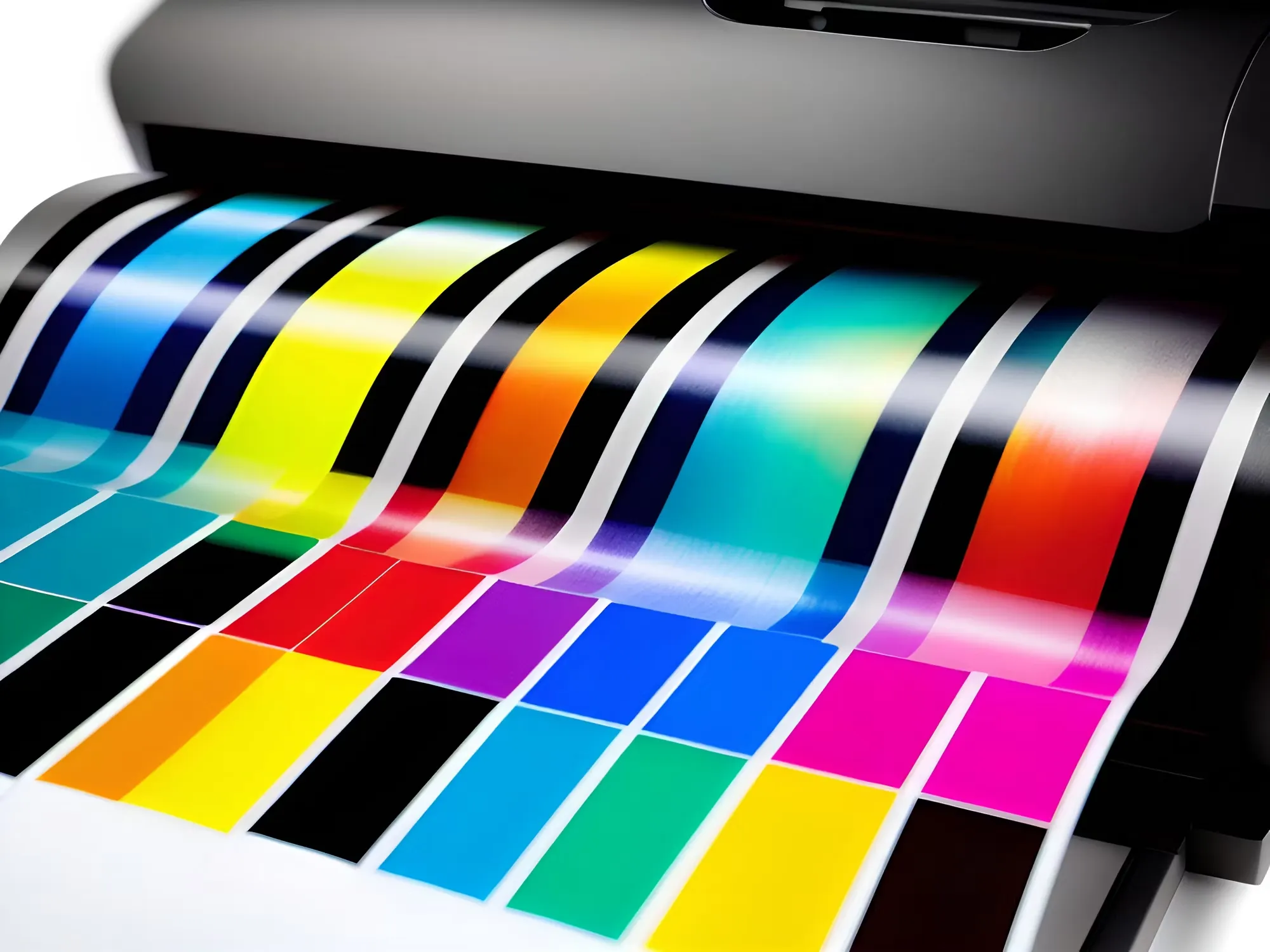
PVOH is used as a binder in surface coatings and functional layers, including fluorescent whitening agent carriers, thermal paper color former layers, inkjet receptive layers, and release paper undercoats. It is also used in tissue manufacturing to improve yield.
Why PVOH is selected:
Its strong adhesion to cellulose, excellent film‑forming capability, and high film strength allow formation of uniform, robust surface layers. Water resistance, grease resistance, and dispersion stability further support consistent product quality.
Evaluation points:
adhesion, film‑forming property, film strength, water resistance, grease resistance, dispersibility
Adhesives
Used widely in water-based adhesives such as glue for paper, remoistenable adhesives, paper adhesives, and plywood adhesives.
Why PVOH is selected:
Strong adhesion to paper, fibers, and wood, combined with safety and ease of handling due to water solubility.
Evaluation points:
adhesion, compatibility with substrates, dry‑film water resistance
Inorganic / Ceramic Binder
Used as a water-based binder in forming processes for ferrites and other ceramic components.
Why PVOH is selected:
Even at low addition levels, it provides high green strength. During sintering, it burns out cleanly without residue, minimizing shrinkage and enabling high‑quality ceramic products.
Evaluation points:
burnout characteristics, reduction of binder dosage, green strength
Textiles
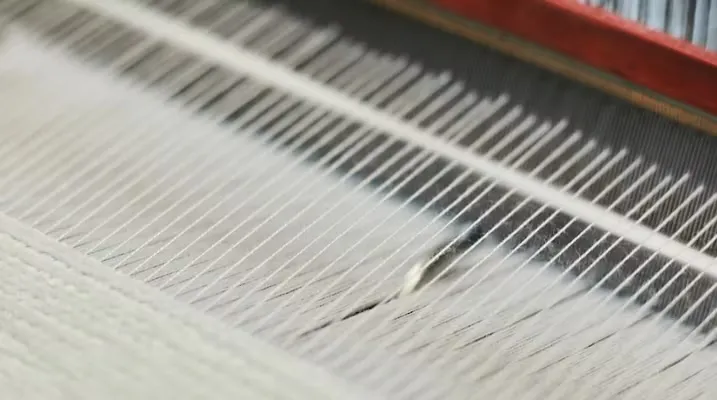
Role: adhesion and film formation Used for warp sizing (yarn protection) agent and textile finishing agent.
Why PVOH is selected:
Strong adhesion to both natural and synthetic fibers and formation of tough films reduces yarn breakage. Stable solution viscosity simplifies process control. PVOH can be removed by hot‑water washing after sizing, minimizing downstream impacts on dyeing and finishing.
Evaluation points:
adhesion (fiber compatibility), film strength/flexibility, hot‑water removability
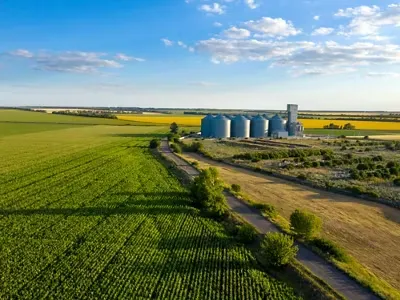
Seed coating: film‑forming and binding properties protect seeds and hold active ingredients in place. Inherent biodegradability in aqueous systems is also beneficial.
Spray adjuvants: excellent film formation improves retention of pesticides on leaf surfaces.
Soil improvers: PVOH binds soil particles to improve structure and stability.
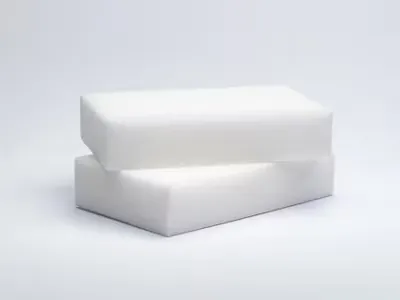
Used to manufacture PVA sponges and PVA grinding stones.
Why PVOH is selected:
Its adhesion and film‑forming properties enhance strength and durability. PVA sponges are also used in semiconductor cleaning, where absorbency, softness, and cleanliness are required.
Evaluation points:
strength, durability, absorbency, cleanliness
Photoresist
Used to manufacture PVA sponges and PVA grinding stones.
Why PVOH is selected:
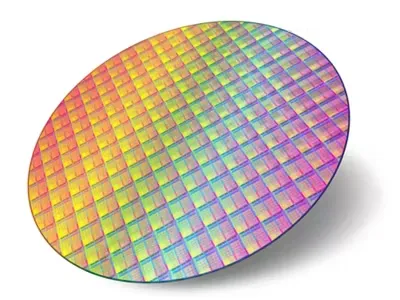
Excellent film‑forming properties and chemical resistance enable precise patterning. Water‑washable removal also contributes to simpler and more sustainable processing.
Evaluation points:
resolution, chemical resistance, removability (water solubility)